

The Future of Senior Independent Living and Wellness: A Sector Shaping the Investment Strategy of EQTY Global Growth II
As the global population ages, the demand for senior independent living (SIL) solutions is growing at an unprecedented rate. By 2050, the number of people aged 60 and older is expected to nearly double, reaching 2.1 billion. This demographic shift is reshaping how we think about aging, wellness, and community living, placing a premium on independence, health, and social engagement.
Recognizing these shifts, EQTY Global Growth II (GGII) has identified Senior Independent Living and Wellness as a key investment vertical within its Serviced Operations strategy. The Fund focuses not on acquiring real estate assets, but on investing in the operational platforms behind high-quality lifestyle-driven services. It builds on EQTY’s track record in real estate-related investments, now applied to next-generation business models that support aging populations.
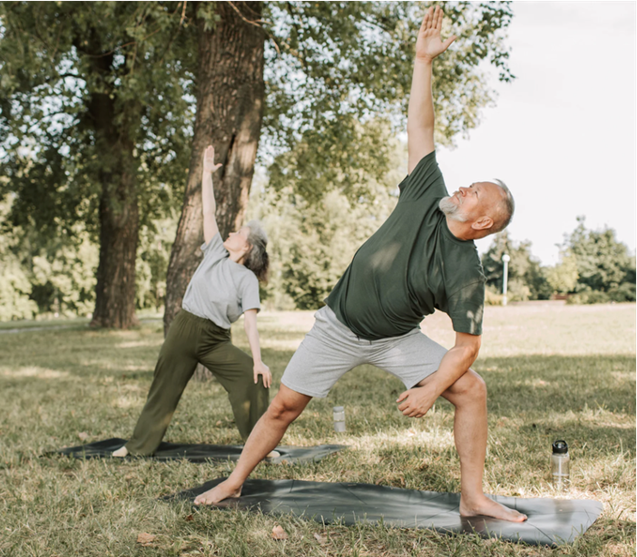
The future of senior independent living is poised to undergo transformative changes, integrating technology, personalized healthcare, and vibrant communities designed to support older adults in living their best, most fulfilling lives.
Over the past five years, there has been a shift towards more personalized care. Facilities are emphasizing tailored services that cater to individual preferences and health requirements. Personalized care improves satisfaction and enhances the overall well-being of residents, setting a new standard for senior living.
The incorporation of technology has also been a game-changer. Smart home features, telehealth services, and digital communication tools have become integral parts of senior housing, providing convenience and fostering independence while ensuring safety.

The landscape of senior housing is evolving rapidly, and new trends are enhancing the quality of life for older adults. In 2025, health and wellness are expected to be at the forefront of housing needs, with technology playing a supporting role in addressing the needs of a growing aging population.
Key Trends in Senior Independent Living
The senior living sector is evolving across several dimensions:
· Health & Wellness: Communities now prioritize active, holistic aging with wellness programs, fitness, and mental health support.
· Technology Integration: Smart homes, AI, and wearables are enhancing safety, autonomy, and remote healthcare access.
· Aging in Place: Designs increasingly support seniors staying in their own homes, aided by accessible layouts and digital care tools.
· Community & Connection: Social infrastructure and virtual platforms are addressing isolation with strong, engaged communities.
· Sustainability & Affordability: Eco-friendly design and new co-housing models ensure accessible, efficient living environments.
· Personalization & Specialization: From custom wellness plans to memory care and solo-aging support, services are tailored to diverse needs.
· Workforce & Generational Models: Innovation in caregiving and intergenerational living reflects a dynamic, inclusive vision for aging.
In conclusion, senior housing is undergoing transformative changes, driven by advancements in technology, healthcare, and design. These innovations will provide seniors with more opportunities to live independently, stay healthy, and remain socially connected.
For EQTY Global Growth II, this sector represents a future of dignified, vibrant aging — where investment is not only about returns, but about creating systems that empower people to age with confidence, wellness, and purpose.