

The new face of Portuguese luxury
Portugal and the understated elegance
There was a time when luxury in southern Europe was defined by extravagance: grand hotels, polished marinas and the performative glamour of Mediterranean excess. But across Portugal, a quieter and more nuanced version of luxury has emerged, one rooted less in visibility and more in atmosphere, craftsmanship and cultural depth.
In recent years, Portugal has become one of Europe's most compelling luxury destinations not because it competes with Paris, Milan or Saint-Tropez on indulgence, but precisely because it does not. Instead, the country offers something increasingly rare in contemporary hospitality and design: restraint. Luxury arrives slowly in Portugal: through Atlantic light, artisanal materials, long lunches, thoughtful architecture and an almost cinematic sense of place.
From the rice fields of Comporta to the terraced vineyards of the Douro Valley, a new Portuguese aesthetic is taking shape. It is understated, tactile and deeply connected to the landscape. And in an era increasingly defined by excess fatigue and algorithmic sameness, that sensibility has become Portugal's greatest luxury.
The rise of quiet luxury
Globally, the idea of luxury has undergone a profound transformation. Where status was once communicated through opulence, today's affluent traveler increasingly seeks discretion, authenticity and emotional experience. As WWD has observed, luxury's centre of gravity is shifting from experience towards essence and exclusivity. The rise of "quiet luxury", a term now deeply embedded within fashion, hospitality and lifestyle culture, reflects a broader cultural shift towards subtlety and permanence. Portugal fits naturally within this movement.
Unlike destinations built around exclusivity alone, Portugal's appeal lies in its balance between sophistication and informality. The country offers high design without rigidity, fine dining without overacting, and luxury hospitality without show excess. What distinguishes the Portuguese approach is its ability to make refinement feel effortless.
This new form of luxury is also deeply experiential. It is found in the texture of hand-finished ceramics, the intimacy of boutique hotels, the ritual of long seafood lunches by the Atlantic and the architectural dialogue between contemporary minimalism and historic preservation. In many ways, Portugal has become the embodiment of a more emotionally driven luxury economy, where cultural authenticity carries greater value than visual excess.
Lisbon and the new urban sophistication
No city reflects this transformation more clearly than Lisbon. Over the past decade, Lisbon has evolved into a creative capital where art, gastronomy, fashion and hospitality intersect with remarkable gracefulness. Yet unlike other rapidly globalized cities, Lisbon has retained a certain quietness. Its luxury is not aggressive: unfolds gradually through restored palaces, independent galleries, contemporary Portuguese design stores and discreet rooftop terraces overlooking terracotta skylines.
Neighborhoods such as Príncipe Real and Chiado have become centres of a new cosmopolitan culture, attracting designers, architects, chefs and international creatives drawn by the city's slower rhythm and visual richness. As Monocle has noted, Lisbon's material culture, its stone, azulejos, lime plaster and solid timber, speaks directly to design-literate visitors. There, luxury exists less in exclusivity and more in curation.
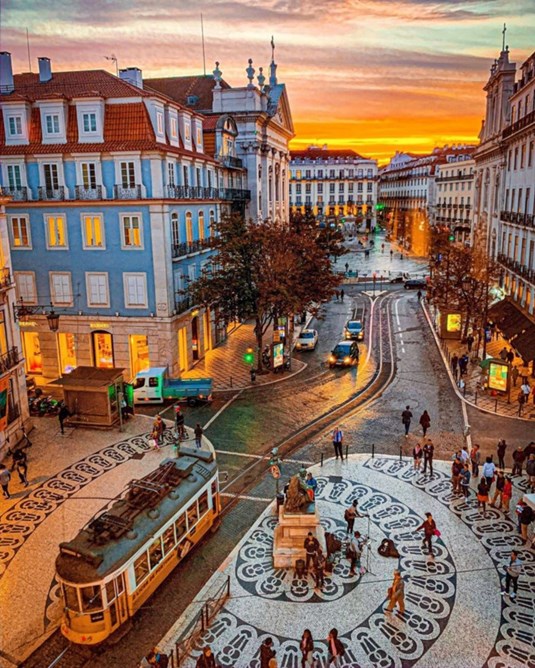
This sensibility is increasingly reflected in Lisbon's hospitality landscape. New boutique hotels favor natural stone, oak wood, linen textures and locally crafted furniture over traditional grand-hotel ornamentation. The emphasis is on atmosphere rather than magnificence: spaces designed to feel intimate, residential and deeply connected to Portuguese aesthetics.
The numbers reflect this momentum. According to a 2025 street-retail report by real estate consultancy Cushman & Wakefield, cited by Forbes Portugal, around 40% of the luxury and premium store stock currently found in Lisbon and Porto opened within the past decade alone, with Avenida da Liberdade concentrating 89% of that total supply in the two cities. Yet demand continues to outpace space: Cushman & Wakefield's European Luxury Retail report notes that only three new luxury stores opened in Lisbon in 2025, even as rents on Avenida da Liberdade and in Chiado climbed around 11% over the same period, a sign of how tightly held, and increasingly coveted, the city's most prestigious addresses have become.
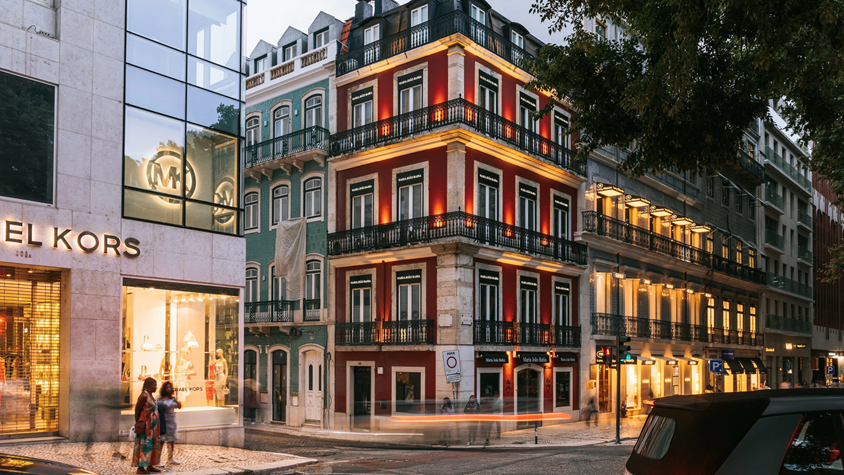
Even Lisbon's culinary scene reflects this evolution. Restaurants no longer rely solely on traditional fine dining conventions, instead, they reinterpret Portuguese ingredients through a contemporary lens, placing seasonality and narrative at the centre of the experience.
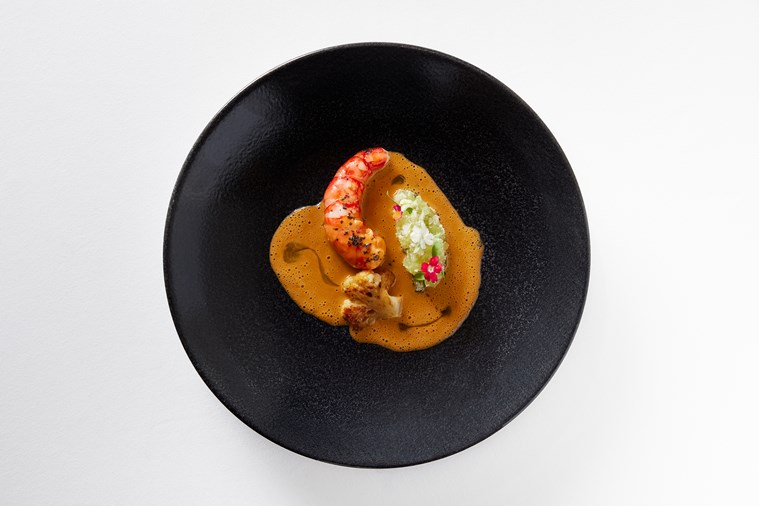
At Belcanto, chef José Avillez transforms national culinary memory into something both refined and emotionally resonant
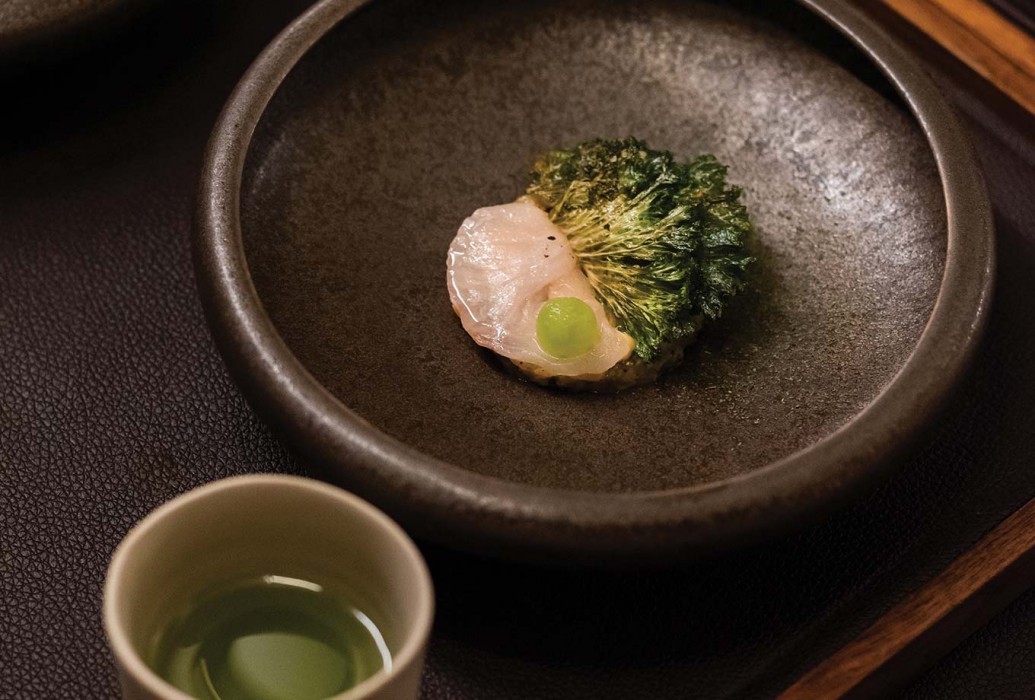
Meanwhile, restaurants such as Cura embody a more minimalist approach to gastronomy, centred on precision, restraint and product quality rather than performance.
Comporta and the aesthetics of barefoot luxury
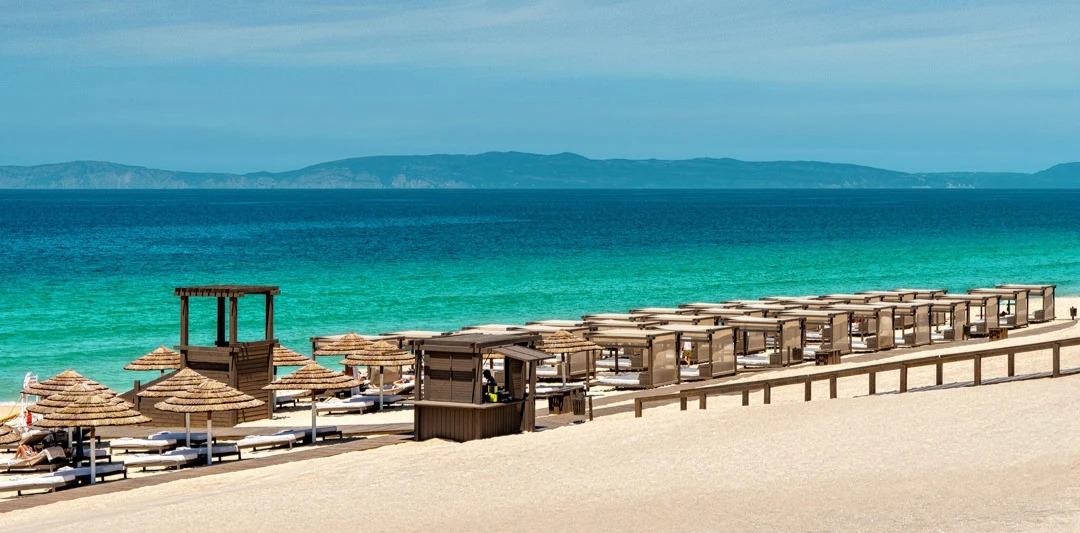
If Lisbon represents Portugal's urban sophistication, Comporta has become the country's definitive symbol of 'barefoot luxury'. Located just south of Lisbon, this once-sleepy coastal region has evolved into an international reference point for understated hospitality and contemporary coastal living. Yet unlike other luxury beach destinations, Comporta remains deliberately restrained. There are no towering resorts, no intense nightlife and little visible branding.
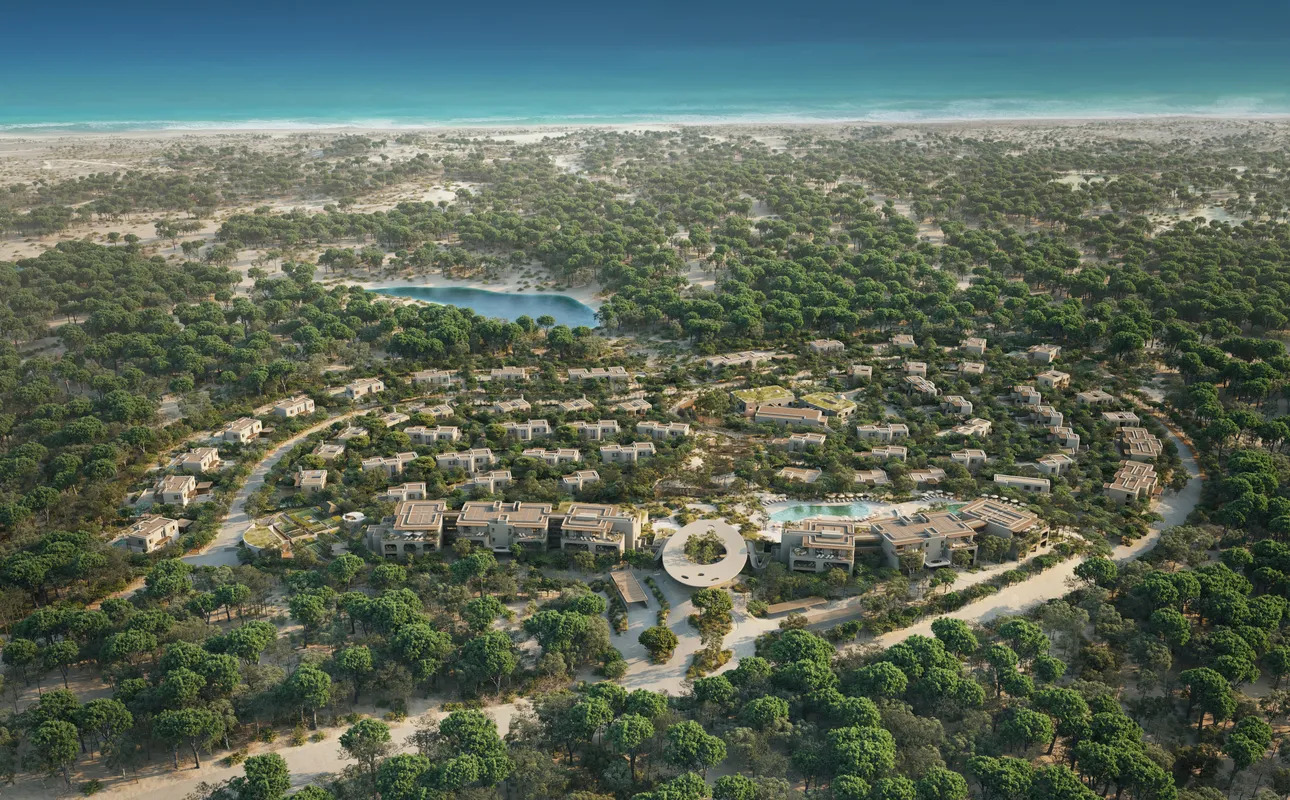
In Comporta, luxury emerges through simplicity: weathered timber, sandy pathways, whitewashed architecture and interiors filled with linen, clay and raw wood. As the Financial Times has described it, the region's architecture "soothes and transports," blurring the line between indoor and outdoor living. The atmosphere feels intentionally unpolished, an aesthetic that aligns closely with contemporary ideas of wellness, privacy and slow living.
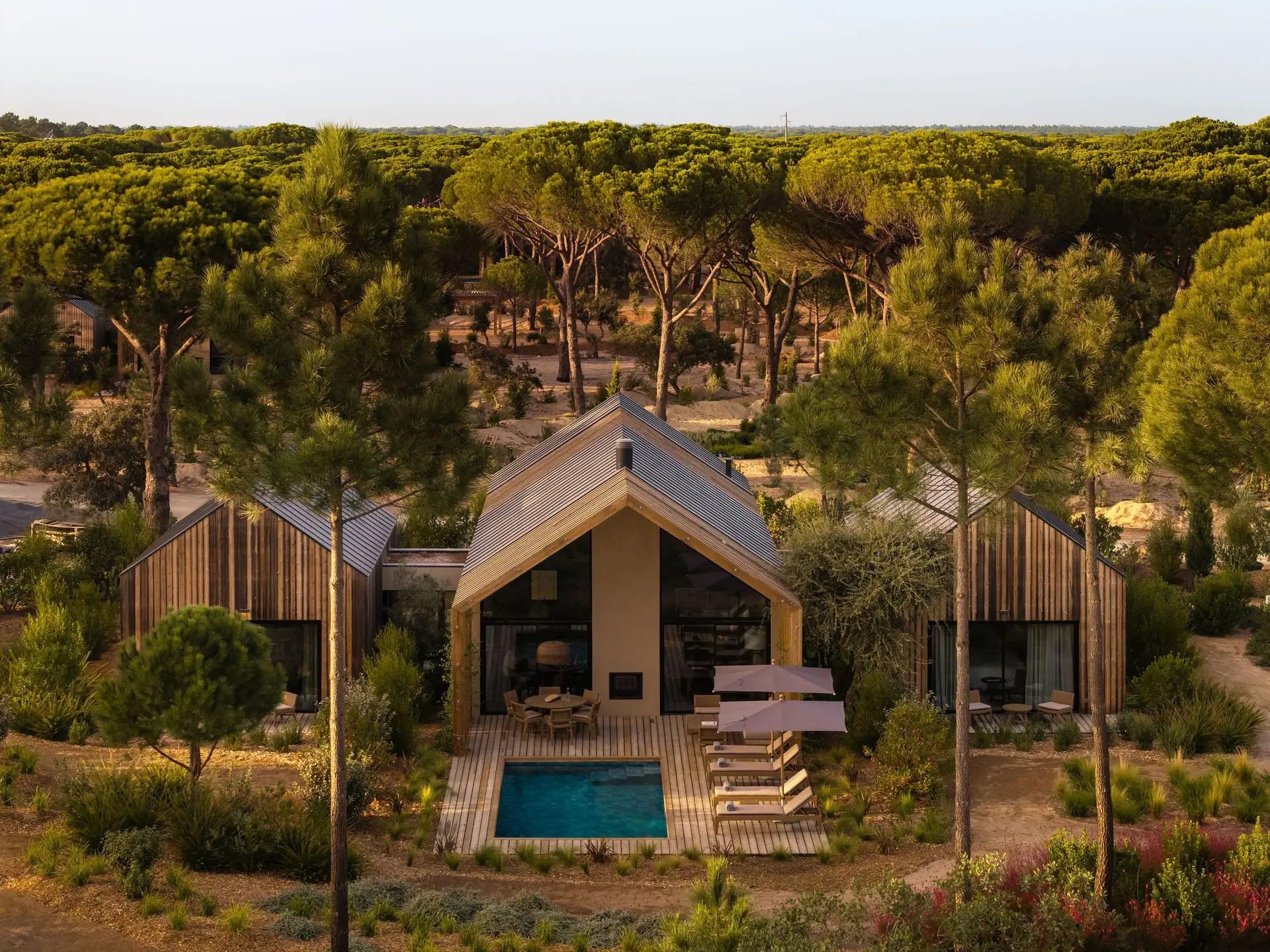
Hotels such as Sublime Comporta helped define this visual language, combining minimalist architecture with environmental sensitivity and an emphasis on immersive experience. Here, the landscape itself becomes part of the luxury proposition.
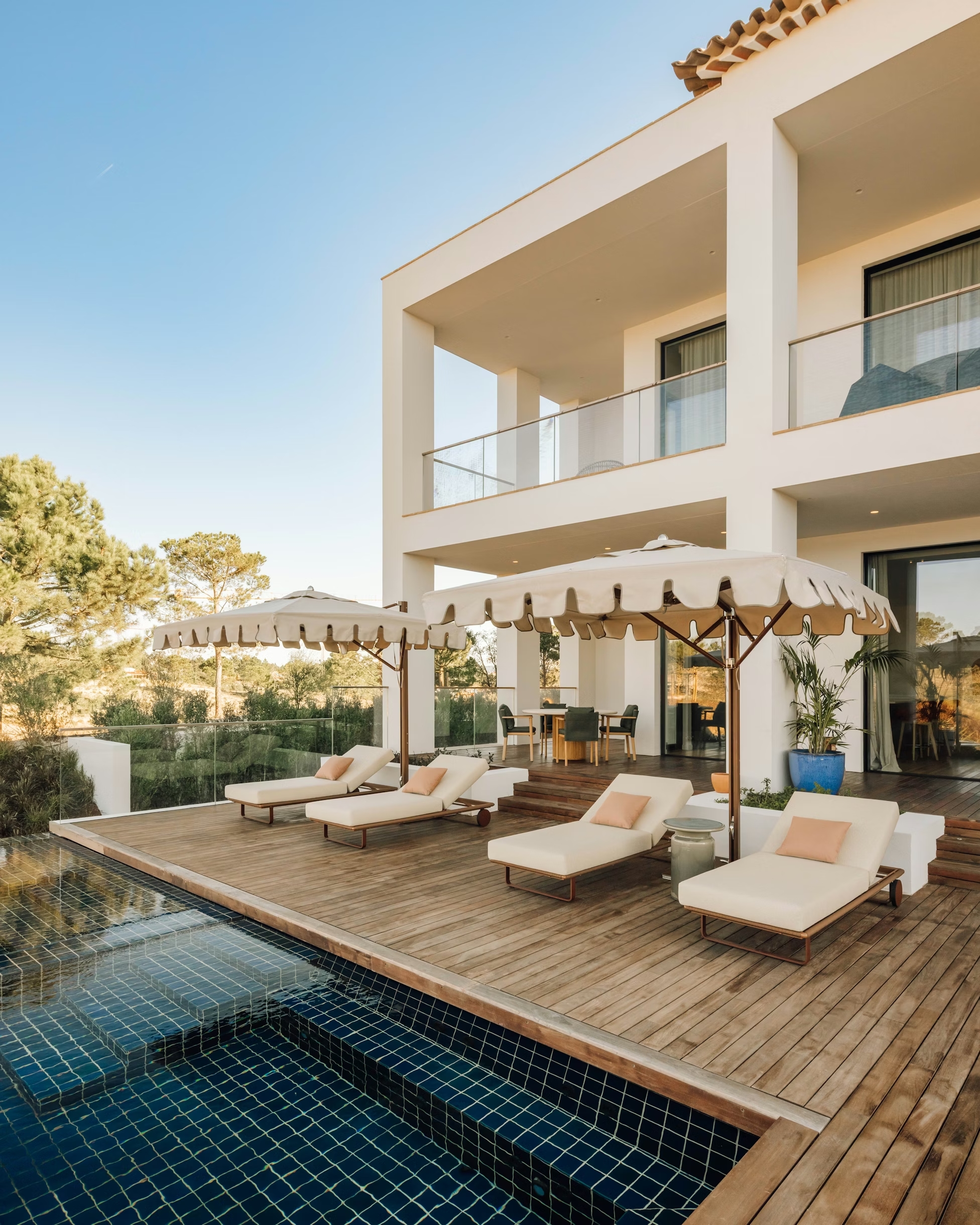
A little further south along the same stretch of coast, the once-modest village of Melides has followed a similar, quieter trajectory. It is now home to Costa Terra Golf & Ocean Club, a gated development built around the same low-visibility ethos found across the region. According to widely reported rumors, its understated villas and walled seclusion have drawn a string of high-profile figures said to have stayed or sought property there, among them Nicole Kidman and Prince Harry and Meghan.
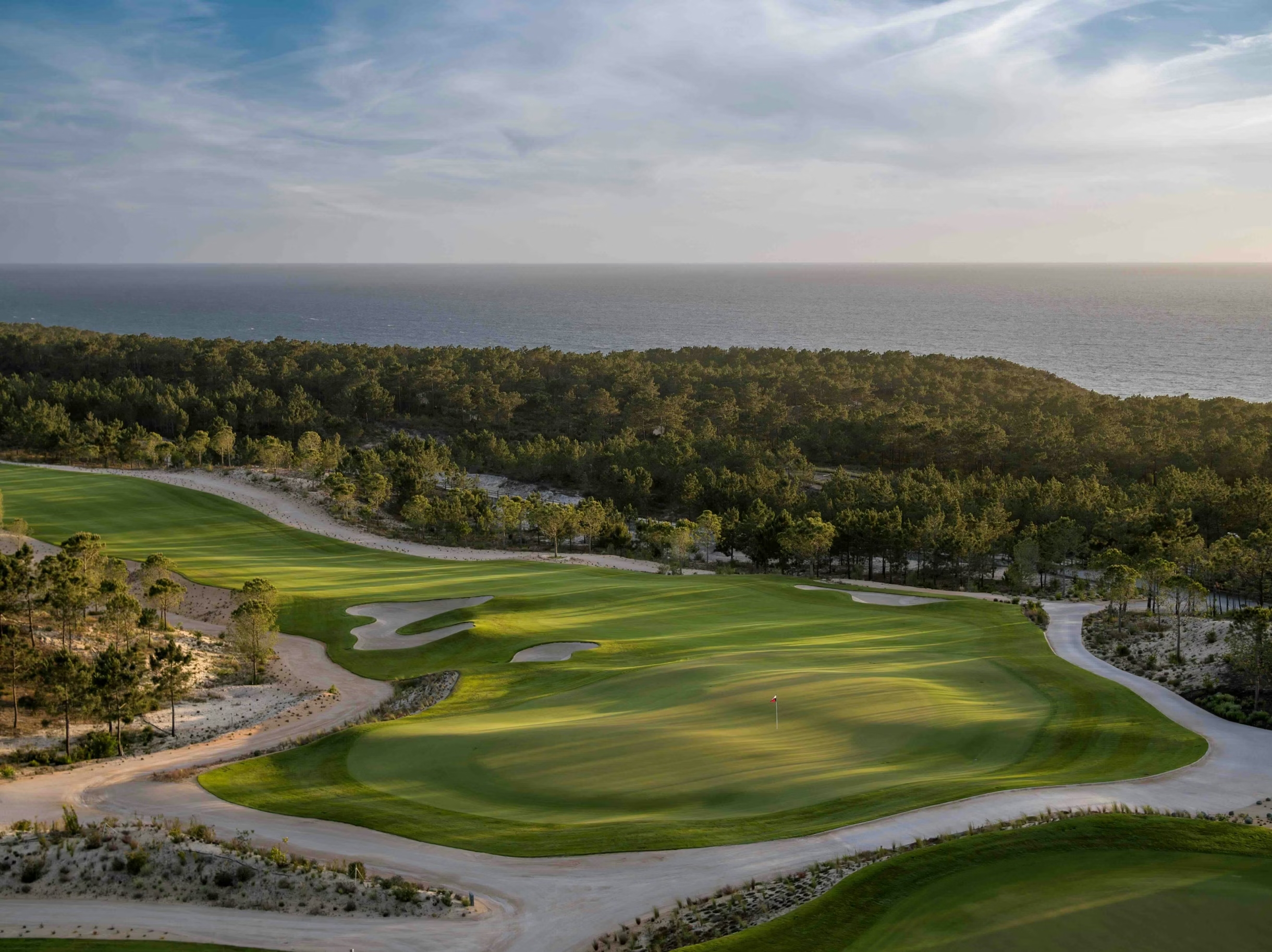
Comporta also reflects a broader shift within luxury travel culture. Increasingly, affluent travelers seek emotional escape rather than social display. Privacy, silence and connection to nature have become forms of status, and few destinations capture this mood as effectively as the Portuguese Atlantic coast.
The Douro Valley and wine as cultural luxury
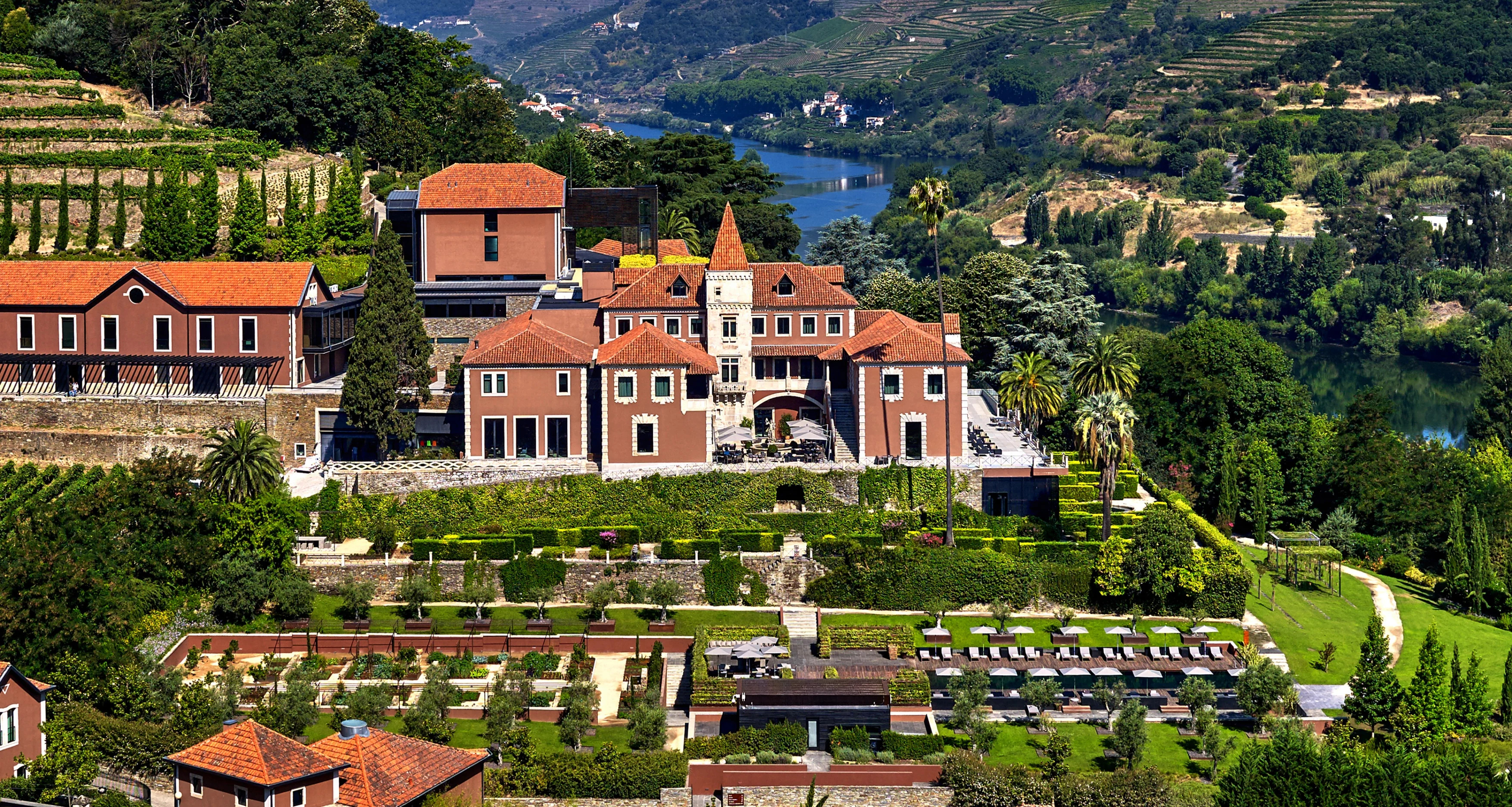
Further north, Douro Valley offers a different expression of Portuguese luxury, rooted in heritage, landscape and wine culture. Douro has long been associated with Port wine production, but in recent years the region has repositioned itself as one of Europe's most sophisticated wine tourism destinations. Luxury here is inseparable from geography. Terraced vineyards descend dramatically towards the river and historic farms have been transformed into design-led retreats.
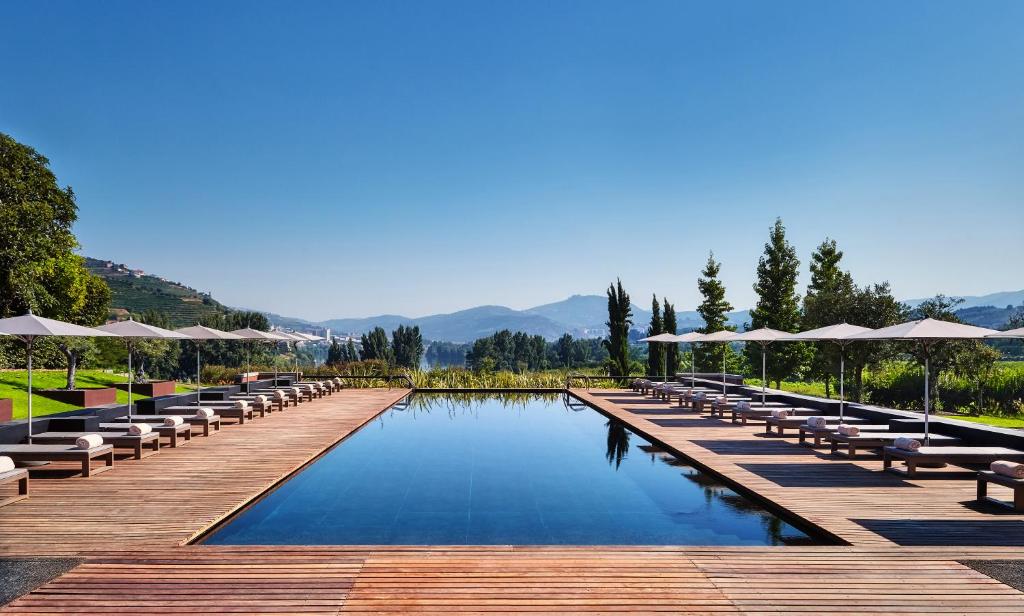
At properties such as wellness, gastronomy and viticulture converge within carefully restored nineteenth-century estates. The experience feels less like traditional luxury hospitality and more like immersion into a cultivated landscape. What distinguishes Douro is its authenticity. Unlike destinations designed entirely around tourism, the region retains a strong sense of agricultural identity. Harvests continue, families maintain vineyards across generations, and wine production remains embedded within everyday life. This continuity gives the Douro a cultural depth that many luxury destinations struggle to replicate.
Gastronomy and the reinvention of Portuguese identity
Few sectors have contributed more to Portugal's international cultural repositioning than gastronomy. Over the past decade, Portuguese chefs have transformed the country's culinary reputation, moving beyond traditional stereotypes while preserving a strong connection to local ingredients and regional memory. As Condé Nast Traveler has highlighted in its coverage of Porto's dining scene, this new generation of chefs treats Portuguese produce as the true centrepiece of the plate. Rather than abandoning tradition, contemporary Portuguese gastronomy refines it.
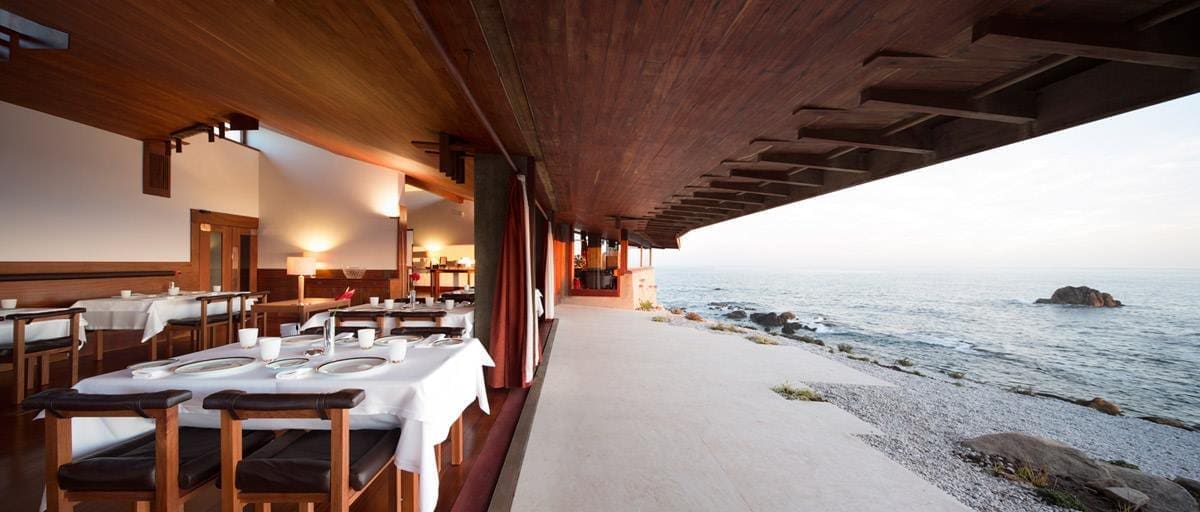
Restaurants such as Casa de Chá da Boa Nova exemplify this philosophy. Designed by Álvaro Siza Vieira and positioned over the Atlantic Ocean, the restaurant merges architecture, landscape and cuisine into a singular sensory experience. The focus remains firmly on product: seafood, salinity, texture and seasonality.
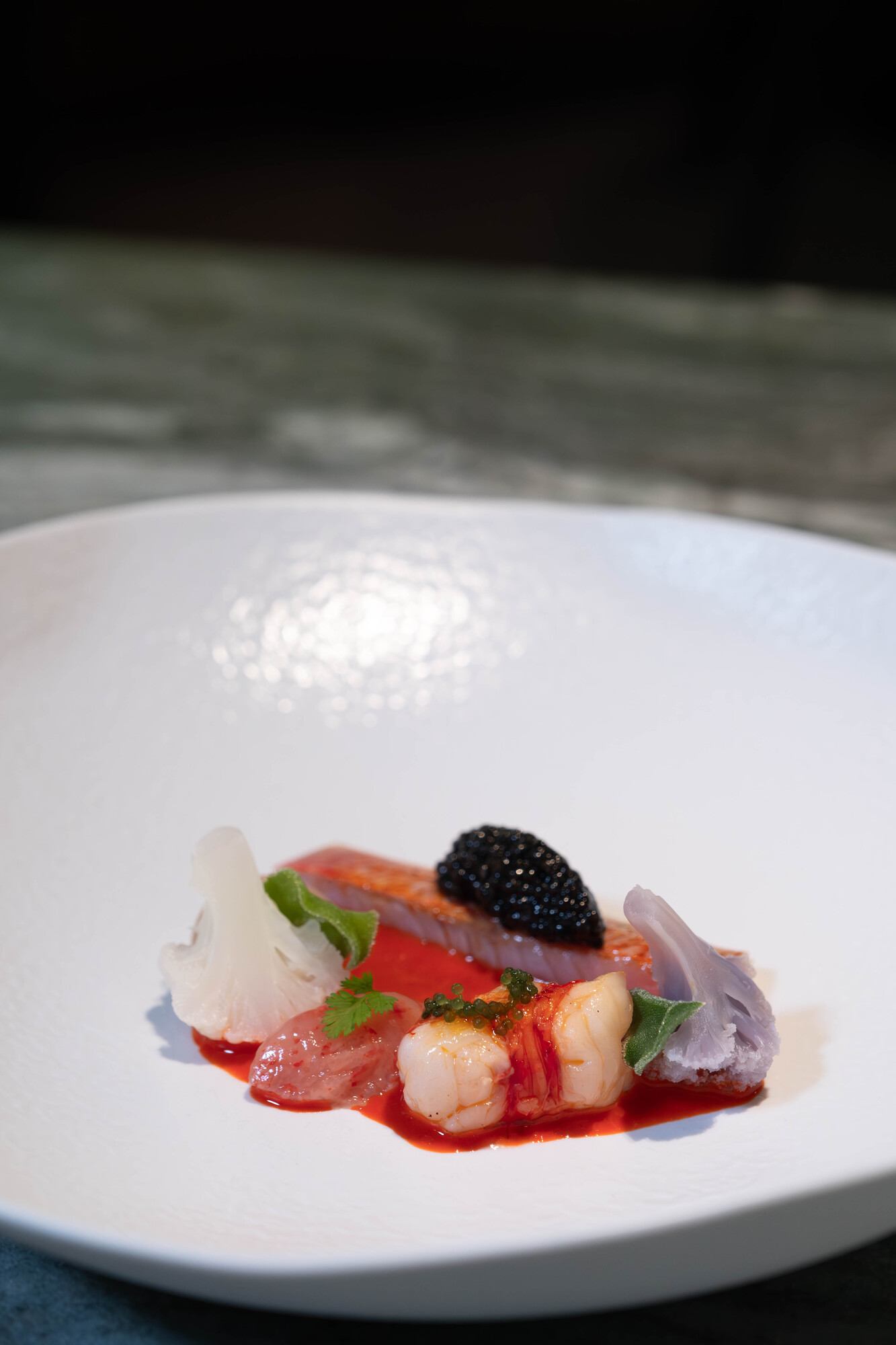
Elsewhere, Antiqvvm demonstrates how Portuguese fine dining increasingly balances technical sophistication with emotional restraint. Menus are thoughtful and elegant while remaining rooted in regional identity.
This approach reflects a broader characteristic of portuguese luxury culture: refinement without alienation. The country's most sophisticated experiences still retain warmth, intimacy and a certain informality, qualities increasingly valued in global luxury markets.
Heritage brands and contemporary craftsmanship
Beyond hospitality and gastronomy, Portugal's luxury identity is also being shaped through design and craftsmanship.
For decades, Portuguese manufacturing existed quietly behind major international brands. Today, however, local heritage companies are receiving global recognition. As Find Portugal has put it, this is a "quiet revolution" in Portuguese design, one built on sustainable materials, conscious production and an aesthetic that favours the essential over excess. The renewed appreciation for artisanal production, tactile materials and slow craftsmanship has positioned Portuguese brands within a wider international conversation about sustainable luxury.
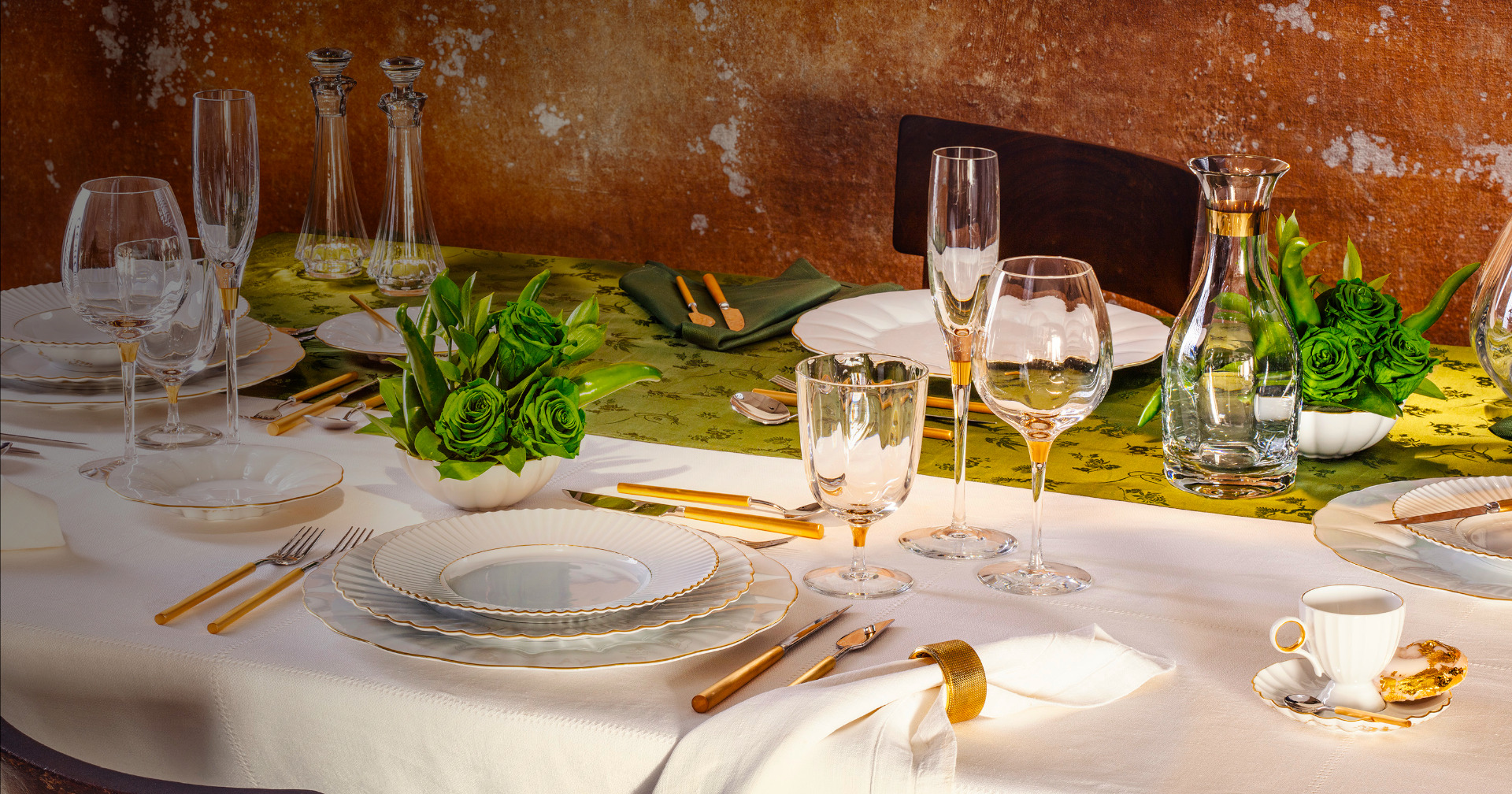
Historic houses such as Vista Alegre and Claus Porto have become emblematic of this movement. Both brands successfully bridge heritage and modernity: preserving traditional production techniques while embracing contemporary design language and international collaborations.
This fusion of craftsmanship and modern aesthetics defines much of the new portuguese luxury economy. Across ceramics, textiles, perfumery and furniture design, Portugal increasingly offers an alternative to industrialized luxury production, one centred on tactility, locality and permanence.
A luxury defined by understatement

What makes Portugal particularly relevant within the global luxury landscape is not simply the quality of its hotels or restaurants, but the coherence of its cultural identity.
At a moment when many luxury destinations risk becoming interchangeable, Portugal offers specificity. Its aesthetic is recognizable yet difficult to imitate: Atlantic rather than Mediterranean, understated rather than ostentatious, emotional rather than performative.
Ultimately, the new face of Portuguese luxury is not built around opulence, but around atmosphere. It is a luxury of natural materials, thoughtful spaces, sensory depth, and a sense of calm sophistication that feels both timeless and deeply contemporary.