

Living in one of the sunniest cities of Europe: how does the sun impact your well-being?
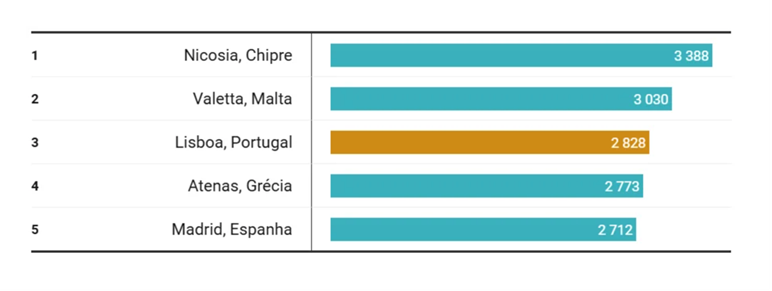
Lisbon has once again been highlighted as one of the European capitals with the most hours of sunshine per year, ranking third and sharing the podium with Nicosia (Cyprus) and Valletta (Malta).
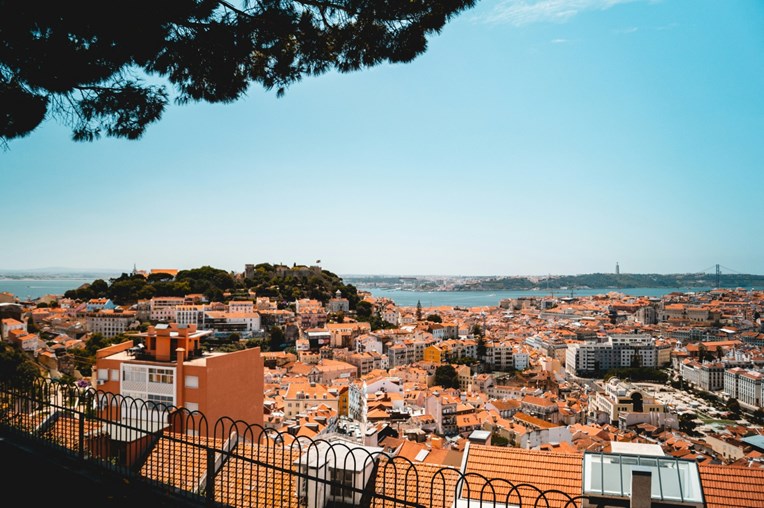
The recent news reinforces a characteristic long recognized by those who live in or visit the country: the abundance of natural light throughout the year. With around 2,800 hours of sunshine annually, the Portuguese capital benefits from a climate that influences not only tourism or the urban landscape, but also the health and well-being of its population.
Sunlight is an essential element for several biological processes in the human body. Over the course of evolution, the human body has adapted to natural cycles of light and darkness, meaning that exposure to natural light has profound effects on the functioning of the immune, hormonal and neurological systems.
In a country like Portugal, where sunny days are common for much of the year, this natural resource can represent an important ally for public health, provided it is enjoyed in a balanced and safe way.
The fact that Portugal, and particularly Lisbon, benefits from so many hours of sunshine each year represents more than just a climatic advantage. It is a factor that influences lifestyle, social habits, and the overall well-being of the population.
- Vitamin D Production and Bone Health
- Mood Regulation and Psychological Well-being
- Regulation of the Biological Clock
- Encouraging Physical Activity and Outdoor Living
A Natural Resource that Influences Quality of Life
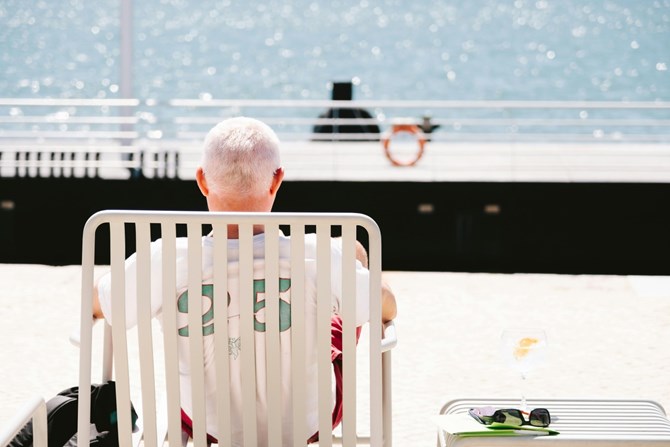
The combination of abundant natural light, a mild climate and urban spaces designed for outdoor living contributes to a culture of outdoor lifestyles that supports both physical and mental health.
Thus, what is often seen merely as a characteristic of the Mediterranean landscape is, in fact, an important ally for the balance of body and mind - a natural resource that shapes everyday life for those living under the Portuguese sun.
Sources
World Health Organization (WHO)
National Institutes of Health – Vitamin D Fact Sheet
National Institute of Mental Health – Seasonal Affective Disorder
International Osteoporosis Foundation
Sleep Foundation – Circadian Rhythm and Sleep