

The longevity economy: what Portugal can learn from the Blue Zones
Imagine that most people reached the age of 90 or 100 with full autonomy, low rates of chronic disease, and an active social life. Streets would be designed for walking, meals would be based on local and seasonal produce, older adults would remain integrated within the family, and the word “retirement” would not mean inactivity, but transition.
It would be the perfect scenario - and, in fact, it already exists in five regions of the world.
What are the blue zones?
The concept of “blue zones” took shape in 2004, when National Geographic Society journalist Dan Buettner led an expedition to identify regions with an unusually high concentration of centenarians. The research relied on validated demographic data, birth records, and epidemiological analysis, with the collaboration of experts in aging and demography.
The idea built on earlier work by researchers who had marked villages in Sardinia with the highest proportion of male centenarians using blue circles on a map. The name endured. The aim was not simply to find who lives longer, but to understand why (and, above all, to identify replicable factors).

The five identified zones
Sardinia | Italy
In the mountainous Barbagia region, inland on the island, lies one of the highest concentrations of male centenarians in the world. For decades, many worked as shepherds, walking several kilometres a day across steep terrain - constant, low-intensity physical activity embedded in daily life.
The traditional diet is based on whole-grain bread, legumes, seasonal vegetables, sheep’s milk cheese, and moderate consumption of Cannonau wine, rich in polyphenols. Social structure is equally significant: extended families, strong respect for elders, and their continued integration into community life.
Okinawa | Japan
The archipelago stands out particularly for female longevity. The traditional diet includes vegetables, purple sweet potatoes, tofu, seaweed, and small amounts of fish. The practice of hara hachi bu - stopping eating when 80% full - helps prevent chronic overconsumption without formal dieting.
Another key element is the moai: small social groups formed in childhood that provide emotional and financial support throughout life. A strong sense of purpose, or ikigai, is frequently cited by residents as a reason for remaining active into very old age.
Loma Linda | United States
In this Seventh-day Adventist community in Loma Linda, life expectancy surpasses the American average by several years. Religious doctrine encourages a largely vegetarian diet, abstinence from tobacco, and very limited or no alcohol consumption.
There is also a structured weekly day of rest - Saturday - which functions as a regular stress-reduction mechanism. The combination of a diet rich in legumes and nuts, strong community involvement, and clear behavioral norms creates a highly protective social environment.
Nicoya | Costa Rica
On the Nicoya Peninsula, survival rates to age 90 are significantly high. The traditional diet includes corn, black beans, squash, tropical fruits, and coffee - simple, minimally processed, and nutrient-dense foods.
The expression 'plan de vida' describes the sense of purpose and usefulness many older adults maintain they continue working, caring for family, or contributing to the community. Environmental characteristics, such as naturally mineral-rich water, may also play a role in supporting bone and cardiovascular health.
Ikaria | Greece
On this Aegean island, rates of cardiovascular disease and dementia are notably low. The dietary pattern follows a variation of the Mediterranean diet: olive oil, vegetables, legumes, potatoes, wild greens, and moderate wine consumption.
Daily rhythm includes pauses - often a short nap - and an active social life. Local festivals, shared meals, and a culture less driven by urgency help reduce chronic stress exposure. Physical activity arises naturally through farming, gardening, and walking on hilly terrain.
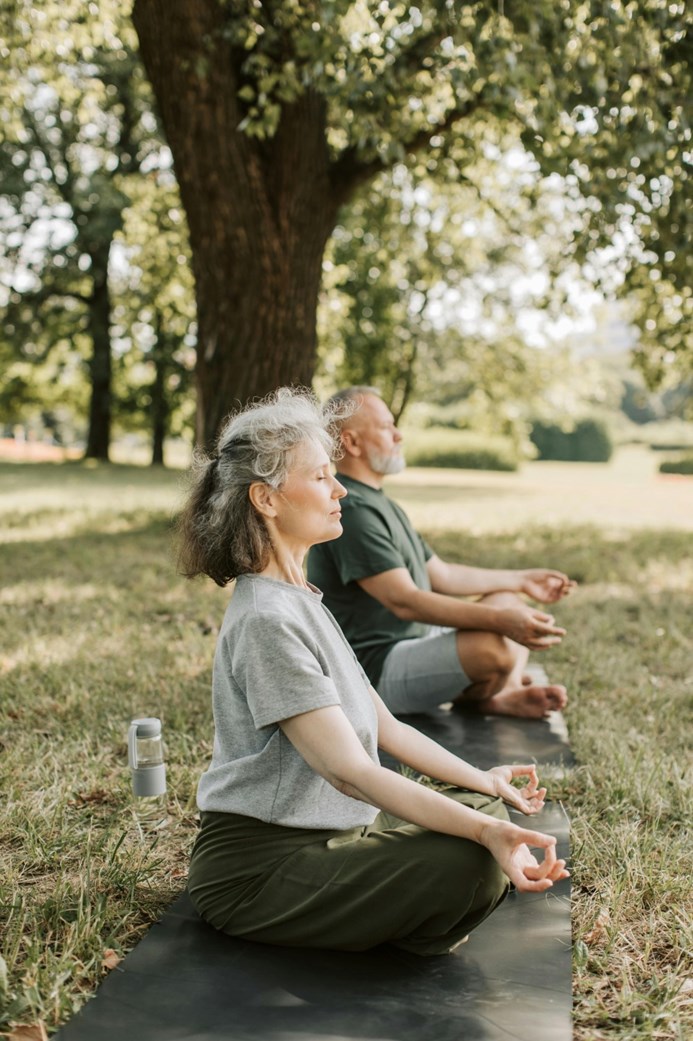
But… what do they have in common?
- Move naturally: Not about going to the gym or running marathons, but living in environments that encourage regular physical movement, such as tending a garden or walking to visit a friend.
- Have a purpose: Research suggests that having a reason to wake up in the morning can add up to seven years to life expectancy. In all Blue Zones, life revolves around something beyond work.
- Downshift: Adopting routines that reduce stress, which researchers associate with chronic inflammation linked to major age-related diseases.
- The 80% rule: Stop eating when the stomach is 80% full. In Blue Zones, the lightest meal is often eaten in the late afternoon or early evening, with no further food intake afterward.
- Plant slant: Vegetables and legumes form the cornerstone of centenarian diets. Meat is eaten, on average, about five times per month, in portions of roughly 100 grams.
- Wine at five: In most Blue Zones, alcohol is consumed moderately and regularly, typically one or two glasses per day with friends and/or meals.
- Right tribe: Social networks positively influence health behaviors. Research shows that smoking, obesity, happiness, and even loneliness can spread through social ties.
- Belong: Participating in faith-based services four times per month has been associated with an additional four to fourteen years of life expectancy. Only five of the 263 centenarians interviewed did not belong to a faith-based community.
- Loved ones first: Throughout their long lives, individuals prioritize family, keeping aging parents or grandparents nearby and dedicating time to their children.
What makes such a community?
More than genetics, with studies such as the Danish Twin Study suggesting that only about 20% of longevity is hereditary, these communities structure the environment so that the healthy choice becomes the easy choice. Walkable urban design, access to fresh foods, social norms that value connection, and coherent local policies create what could be described as a “longevity ecosystem.” Responsibility does not rest solely on the individual; it is embedded in community design.
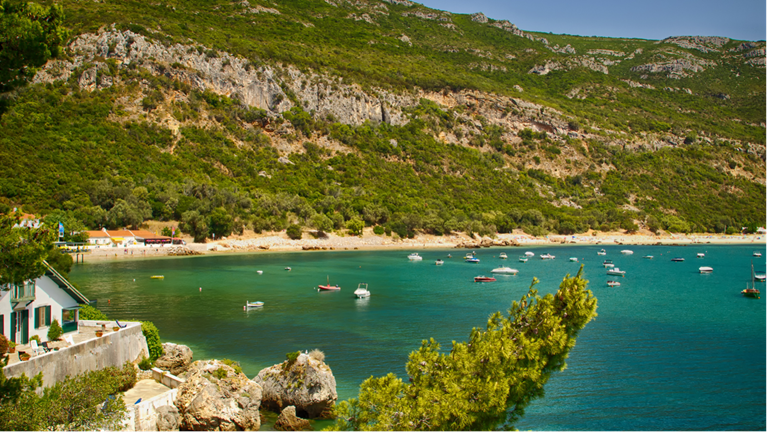
Does Portugal have the potential to be a blue zone?
When assessed against the criteria identified by Dan Buettner and the team at the National Geographic Society, Portugal displays several structural features compatible with a healthy longevity model. The central issue is not genetics. Population studies indicate that most variation in lifespan stems from environmental and behavioral factors, in other words, context.
Where Portugal is already aligned
1. Traditional dietary pattern
The Mediterranean diet, internationally recognized, is deeply rooted in Portuguese culture: high consumption of vegetables, legumes, olive oil, whole grains, and fish; moderate meat intake; structured and socialized meals. This closely resembles patterns observed in Ikaria and Sardinia.
2. Strong family ties
Intergenerational proximity remains culturally significant. Grandparents play an active role in family life, and institutionalization tends to occur later than in several Northern European countries, a factor associated with stronger emotional and functional support.
3. Social culture
Long meals, local festivities, recreational associations, and neighborhood life create organic social networks, comparable, though less formalized, to the moais of Okinawa.
4. Territory and climate conducive to natural movement
Compact urban centers, mild climate, and an extensive network of towns and small cities encourage walking and outdoor living. In many regions, particularly rural ones, physical activity remains embedded in daily routines.
5. Moderate and contextual wine consumption
Wine is culturally integrated into meals, in a pattern like that observed in Sardinia - though benefits clearly depend on moderation.
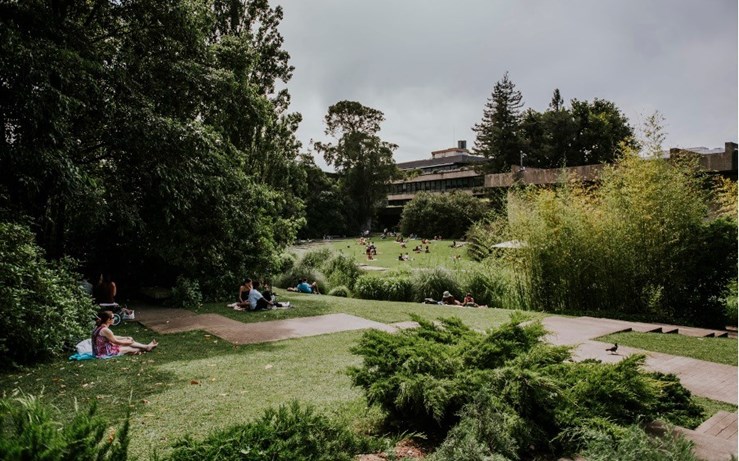
The "Portuguese Power 7"
Translating the Power 9 into the Portuguese context, they could be summarized in seven pillars already present in the country’s culture:
- Mediterranean table: predominantly plant-based and seasonal eating.
- Close family: active intergenerational support.
- Regular social connection: frequent, informal social networks.
- Neighborhood life: geographic proximity and community identity.
- Integrated movement: walking and physically active daily tasks.
- Slower social rhythm outside major urban centers: lower chronic stress.
- Wine with context: moderate consumption alongside meals.
Sources
“Blue Zones: Lessons From the World’s Longest Lived” by Dan Buettner and Sam Skemp
“Blue Zone Diet: O Papel da Nutrição para a Longevidade” by Lusíadas Saúde
“Zonas Azuis: as lições para uma vida longa e saudável” in Expresso